
Children's Eye Care
Bulk billed through Medicare. No gap fee, no referral needed.
Children's eye exams are completely free.
Bulk-billed through Medicare, with no gap fee, no out-of-pocket cost, and no referral needed. Just bring your child's Medicare card.
Children are remarkable at adapting. They often don't tell you when they can't see well, because they assume everyone sees the world the way they do.
Early detection is critical. Conditions like amblyopia (lazy eye) and strabismus (eye turn) are significantly easier to treat before age seven, while the visual system is still developing.
Age milestones
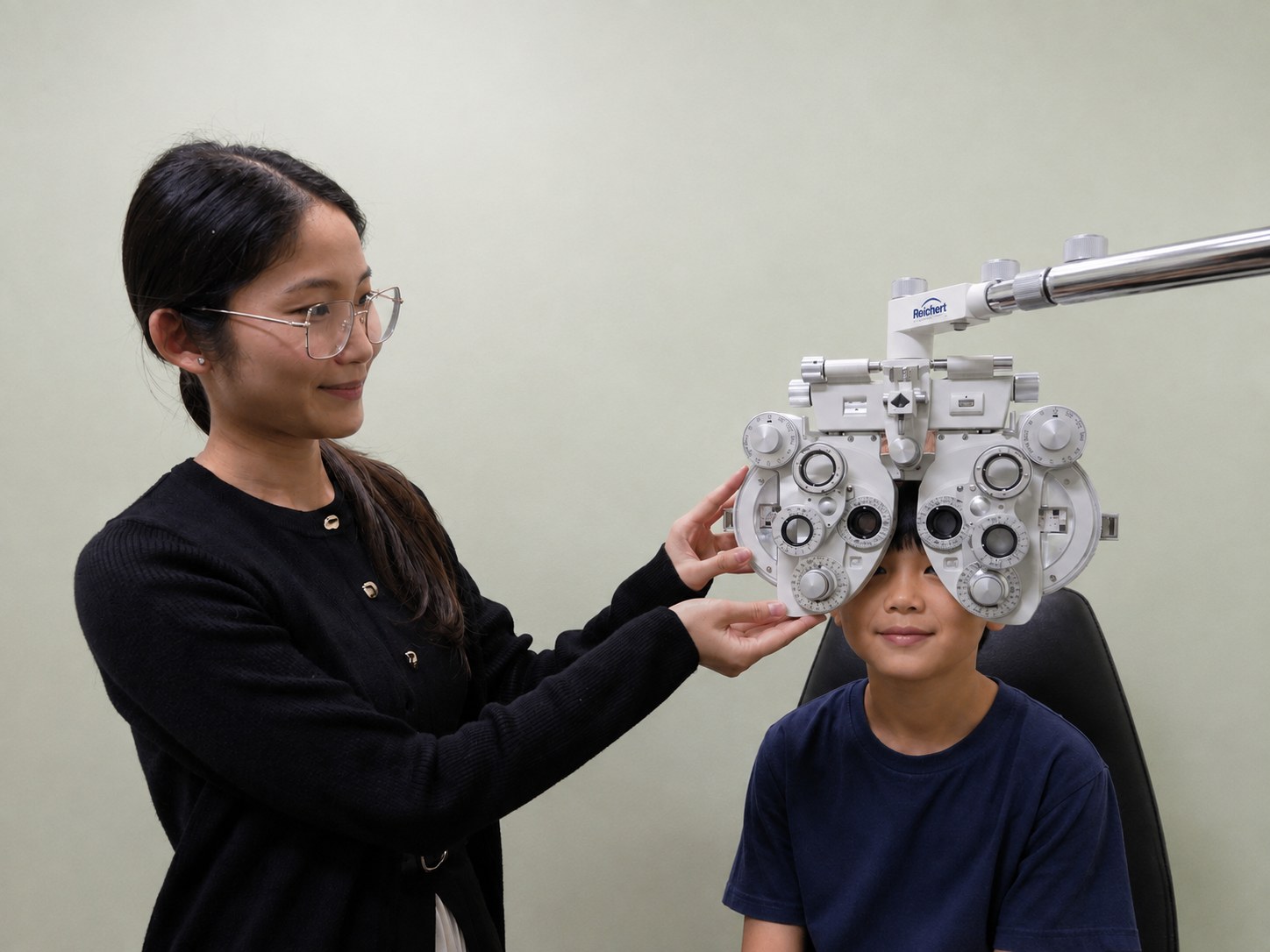
Optometry Australia recommends a first comprehensive exam at age three.
1
Age 3: first exam
We assess visual acuity, eye alignment and binocular vision, and treat any problems before they become permanent.
2
Before starting school
Children who can't see clearly struggle to engage with classroom learning from day one.
3
Through the school years
Children's eyes change rapidly. Regular check-ups catch myopia, focusing issues and binocular vision problems early.
4
If you notice warning signs
Don't wait for the scheduled check. Book sooner. The signs are easy to miss.
Signs to look out for
It's important for parents to be aware of the signs that may indicate vision problems in their child. Children rarely say they can't see well. They assume everyone sees what they see.
Eyes often red, watery or burning
Blinking or rubbing the eyes frequently
One eye turning in or out while the other points straight ahead
Screwing the eyes up while reading or watching TV
Holding a book very close to read it
Losing their place while reading
Closing one eye while reading
Tilting the head noticeably while looking at things
Difficulty concentrating for any length of time
Falling behind at school without an obvious reason
Headaches, especially at the end of the school day
Complaining of blurry or double vision
Don't ignore these signs. If you notice any of them, book an eye exam. Early detection and intervention can prevent further problems and make sure your child's eyesight is properly corrected. The exam is bulk billed, so there is no cost to checking.
Healthy eye habits at home
Small changes that take the load off your child's eyes.
Set screen limits
Excessive screen time strains the eyes and contributes to vision problems. Set limits across TV, games, phones and tablets, not just one of them.
Take regular breaks
Long unbroken stretches of close focus are the problem. Regular breaks away from the screen let the eyes relax and reset.
Get outside
Outdoor play and reading are genuine alternatives to screen time, and time outdoors is associated with slower progression of short-sightedness.
Mind the distance
Make sure your child sits a proper distance from screens rather than right up against them.
Light the room properly
Adequate lighting means the eyes work less hard. Screens in a dark room are the worst case.
A school screening is not an eye exam.
School vision screenings are basic checks for distance vision only. They miss a significant number of vision problems, including near vision issues, binocular vision problems and eye health conditions.
A comprehensive examination assesses how the eyes work together, how they focus, and the health of the eye itself. Passing a school screening does not mean a full exam is unnecessary.
Ready?
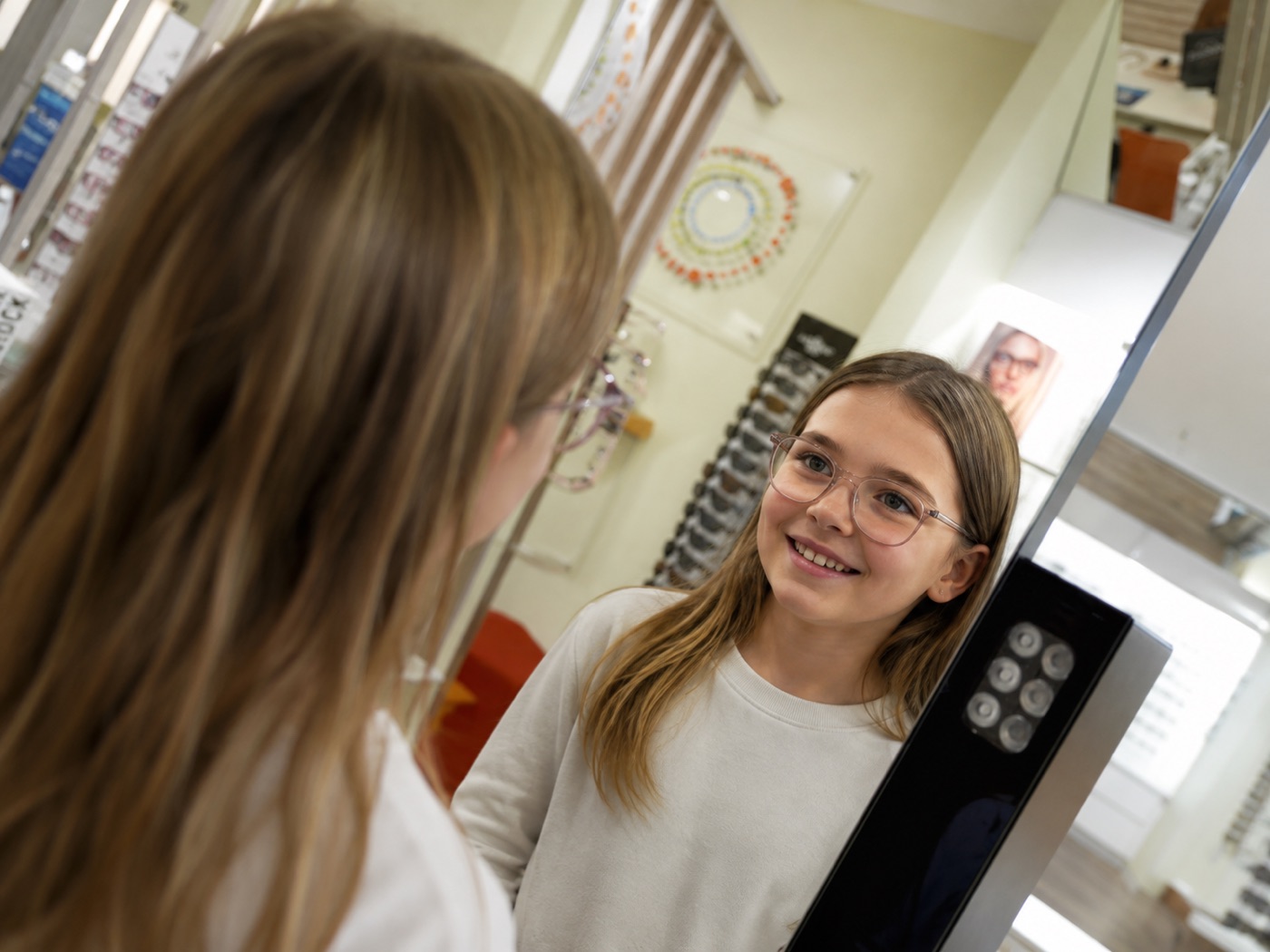
Healthy habits begin with healthy eyes.
Book your child's bulk-billed appointment at our Armadale practice.